
Thermal Account 3.0: non-repayable incentives for photovoltaic energy and new rules for access
Find out what's new in Thermal Account 3.0, from eligible expenses to the requirements for accessing incentives
In the panorama ofsolar energy Italian, the Thermal Account 3.0 represents one of the most important innovations of 2025.
With the new regulatory update, the Government expands the audience of incentives for those who choose to focus on renewable technologies, finally introducing concrete support also for the installation of domestic photovoltaic systems.
But the real turning point is another: it's not about tax deductions, but say non-repayable contributions, that is, sums paid directly to the beneficiaries' current account.
A paradigm shift that can make photovoltaic energy even more convenient, in particular for those who rely on systems with storage systems or on collective projects such as renewable energy communities (CERs).
The news of the Thermal Account 3.0 for photovoltaic
The Thermal Account 3.0 It will officially come into force on December 25, 2025, ninety days after its publication in the Official Gazette (which took place on September 26, 2025).
In the meantime, the Energy Services Manager (GSE) It is defining the operating rules which will establish in detail the methods, timing and procedures for accessing the incentives.
A historic extension of incentives
The main news concerns the inclusion of photovoltaic systems among the encouraged technologies.
The previous versions of the Thermal Account were limited to solar thermal systems, i.e. those intended for the production of hot water for sanitary use or heating.
With version 3.0, on the other hand, Even the production of electricity from solar sources becomes admissible, provided that the intervention helps to improve the overall energy efficiency of the building.
In other words, the incentives are not limited to the simple installation of photovoltaic panels, but are part of a logic of integrated energy upgrading.
Who can access the incentives: the new audience of beneficiaries
One of the most significant innovations in Thermal Account 3.0 concerns the expansion of the subjects who can request contributions.
Not only private individuals: space for CER and collective self-consumption
In addition to citizens and homeowners, incentives also become accessible to:
- Renewable Energy Communities (CER), who share the energy produced between several users;
- Configurations of collective self-consumption, like the Condos who install a common photovoltaic system;
- Public bodies and local governments, for energy upgrading projects of the building stock.
The extension of the audience of beneficiaries has a specific objective: stimulate the widespread diffusion of photovoltaic in Italy, encouraging the creation of shared energy networks and reducing dependence on fossil fuels.
A direct effect on energy expenditure
The natural consequence of this expansion is twofold: on the one hand, more systems installed and greater solar energy production; on the other hand, structural savings on electricity bills, both for individual users and for collective self-consumption groups.
The expenses eligible for the incentives of the Thermal Account 3.0
Not all energy efficiency expenses are eligible for contributions.
The legislation precisely identifies the Eligible cost items, in particular for the photovoltaic systems with storage, that is, equipped with batteries for the storage of excess energy produced.
Incentive expenses in photovoltaic
They fall into the Thermal Account 3.0:
- Installation of photovoltaic systems with storage systems integrated;
- Replacement of the existing heating system with a new system at electric heat pumps, powered by the solar energy produced;
- Ancillary expenses relating to design, energy diagnosis, energy performance certificates (APE) and installation of storage systems.
The non-repayable contribution It can cover up to 65% of the expenditure incurred, making investment much more accessible than classic tax deductions.
An incentive with no expiry date
Another advantage is that the Thermal Account 3.0 There are no budget deadlines such as tax bonuses or time deductions.
This means that those who submit a project that complies with the requirements will be able to access incentives at any time, until the total resources of the fund managed by the GSE are exhausted.
The rules for accessing Thermal Account 3.0
Accessing the incentives of the Thermal Account 3.0 requires a Simpler procedure compared to the past, but with some fundamental steps to respect.
Timing and methods of request
The deadline for submitting the application is extended from 60 to 90 days from the end of the work.
The request can be submitted:
- directly on GSE portal, through the area dedicated to incentives;
- or through a ESCO (Energy Service Company) certified, who deals with the technical and administrative management of the process.
Required documents
To obtain the contribution, you must:
- The technical documentation of the surgery;
- Thecertification of a qualified technician;
- The energy certification of the building;
- The invoices and payment receipts related to jobs.
Once the application has been approved, the GSE pays the amount due directly to the applicant's current account, making the incentive immediate and tangible, not a tax credit to be recovered in years.
When Thermal Account 3.0 is not the best choice
While being an effective tool for those who aim for energy upgrading of your home, the Thermal Account 3.0 is not always the most suitable solution.
Those who cannot or do not want to bear the initial expense for a photovoltaic system with storage can still participate in energy transition and benefit from savings linked to solar energy through an alternative model: i shared solar parks.
Shared solar parks: a simple and sustainable alternative
Shared photovoltaic projects represent an innovative formula for investing in green energy.
Projects such as those promoted by GridShare They allow you to Buy shares in large photovoltaic plants located throughout the country, even without having a roof or land on which to install the panels.
How it works
Anyone who participates in a solar park receives a share of the revenues generated from the energy produced, in the form of a discount on the bill or economic return.
There is no need to deal with red tape, maintenance or connection to the network: everything is managed in a centralized and transparent way. In addition, you can benefit from different tax incentives.
The advantages of shared solar parks
- No installation or authorization process
- Participation from anywhere in Italy
- Immediate access to the benefits of solar energy
- Concrete contribution to Decarbonization of the country
For many users, shared solar fields represent a practical solution to participate in the photovoltaic revolution, without technical complexity or high expenses.
Conclusions: incentives, sustainability and new opportunities for photovoltaic
The Thermal Account 3.0 marks an important turning point in the Italian strategy to support renewables.
Thanks to non-repayable contributions, the installation of photovoltaic systems with storage becomes more convenient, encouraging the spread of solutions of Green energy in homes, condominiums and renewable energy communities.
For those looking for a more immediate and unbureaucratic route, shared solar parks They remain the easiest alternative to enter the world of photovoltaics and reduce energy expenditure. In both cases, the direction is the same: an Italy that is increasingly efficient, sustainable and powered by the sun.
Featured posts
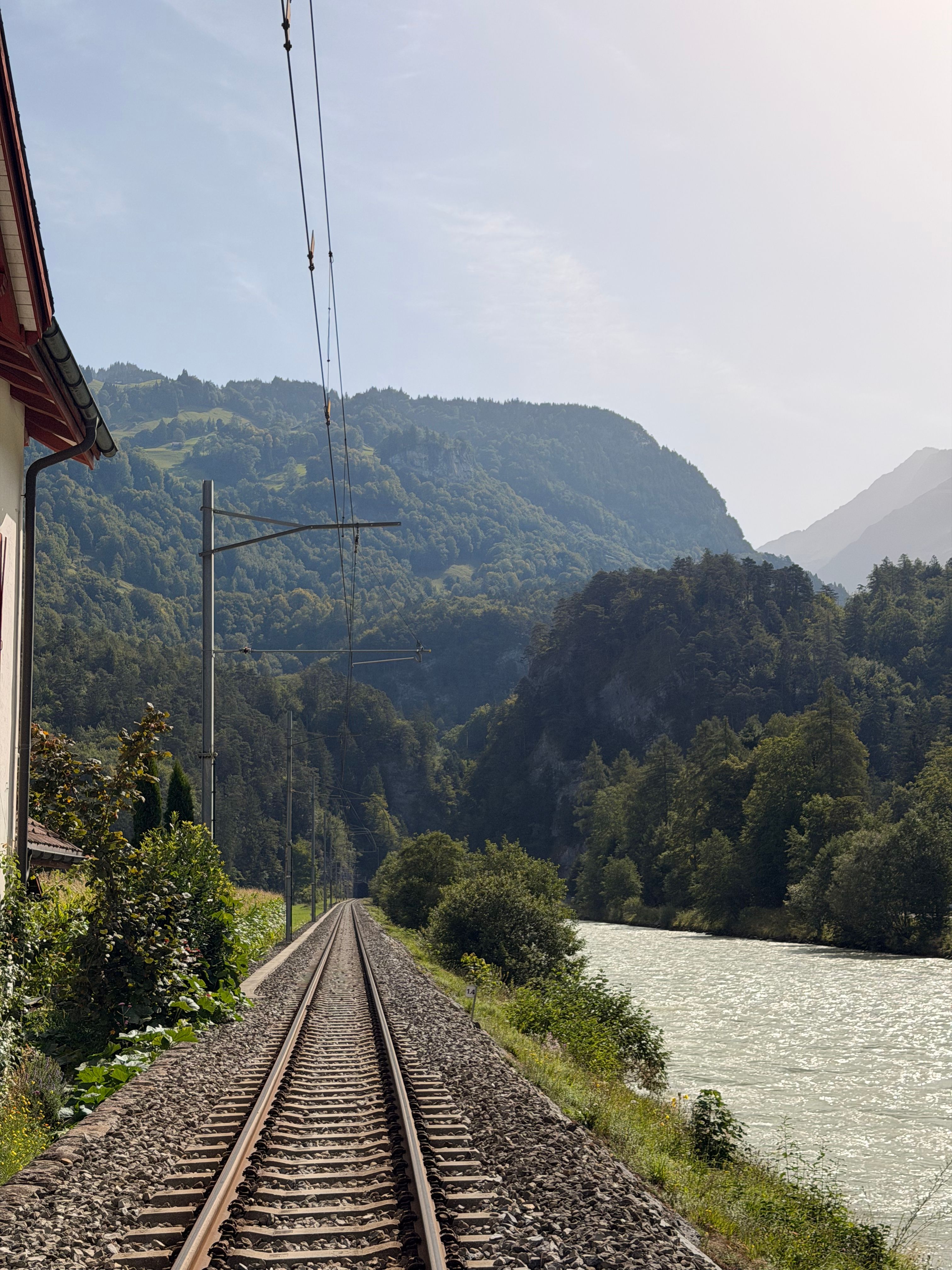
Pannelli solari sui binari: dalla Svizzera arriva il ferrovoltaico
In Svizzera una centrale solare removibile produce energia tra i binari: scopri come funziona il ferrovoltaico, vantaggi, limiti e prospettive.

Business solar: costs, incentives, and ROI in 2026
Complete guide to corporate photovoltaics in 2026: costs per kW, 220% super depreciation, ROI, alternatives without construction.
Is solar worthwhile in 2026? A real analysis (even without a roof)
Is it worthwhile to invest in solar in 2026? Costs, incentives, ROI, and the alternative for those without a roof.