
The GSE: everything you need to know with GridShare
GSE: find out how much it pays per kWh, how SSP and RID work, payment times and solutions for possible delays.
What is the GSE?
The Energy Services Manager (GSE) It is a pillar of the Italian energy system.
This Italian joint-stock company, born in 1999, manages the dynamics related to renewable energy, not only promoting the development of renewable sources and energy efficiency, but also offers support and remuneration to those who contribute to green production.
The GSE was founded in 1999, after the Bersani Decree which made it possible in Italy to liberalize the electricity sector.
And slowly, over time, the institution changed its characteristics, becoming a promoter of the production of electricity from renewable sources.
Therefore, managing the economic and financial flows of the green energy sector, the GSE offers various services, such as:
On-Site Exchange (SSP): regulated in its economic base by the GSE with contributions based on the compensation mechanism between energy entered and taken from the grid.
Dedicated Collection (RID): a method of direct sale of energy produced in excess by the GSE, with guaranteed minimum prices
Optimizing the use of your system: which choice is right?
How to get the most out of your system?
What to choose between SSP and RID?
It depends on various factors related to the type of plant, energy production and consumption habits.
Both systems offer significant advantages, but convenience may vary based on the manufacturer's profile.
· On-Site Exchange: ideal for local consumption; SSP is particularly suitable for those who use the energy produced in an immediate and balanced way. For example, homes equipped with small photovoltaic systems, with consumption concentrated during daylight hours, benefit the most from this system. In this case, the reimbursement for the energy put into the grid helps to reduce collection costs, maintaining a sustainable economic balance. However, the economic benefit also depends on annual energy consumption and the cost of energy taken from the grid, which could be affected by increases in electricity market prices.
· Dedicated Pickup: an advantage for large producers; RID, on the other hand, is a more suitable solution for large plants, often destined to a significant production of energy in excess of consumption. This model is also preferred by companies or entities that need to quickly monetize the energy produced. Another advantageous aspect of RID is its operational simplicity: the GSE buys the energy input directly, eliminating any intermediation. However, producers must take into account the volatility of the Single National Price (PUN), which could lead to less predictable revenues.
How does the GSE pay?
The GSE calculates payments based on the amount of energy fed into the grid and the type of service chosen.
The amounts, however, may also vary in relation to the Single National Price (PUN) and the Zonal Hourly Price, which fluctuates depending on the energy market. With the new Decree-law 9 December 2023, n. 181, art. 19 paragraph 4-ter, two energy assessment indices are differentiated:
· The PUN, the Single National Price
· The Hourly Zonal Price
The PUN is the reference price of electricity on the Italian electricity exchange, it changes every day and its variation is influenced by various factors, first of all the law of supply and demand. In practice, it means that with this system all consumers pay the same price for electricity, regardless of where they are.
For this reason, in 2023, it was decided to switch to another value, the Price per hour zone, or the cost of electricity in a specific geographical area, calculated for each hour of the day.
While the PUN represents a single average price for energy throughout the territory, zonal prices segment the country into various geographical areas, establishing specific tariffs for each one. This means that consumers in different areas pay different energy costs.
These methods allow manufacturers to choose the most cost-effective option based on their energy and financial needs.
On-site exchange and its costs
Lo On-Site Exchange It is a compensation system that makes it possible to balance the energy produced and that consumed. This mechanism is particularly useful for those who produce energy at times other than those of consumption.
Reimbursement calculation
The reimbursement is based on two main components:
- Value of the energy input: calculated in Euro/kWh, variable by geographical area and time of year.
- Contribution for avoided costs: includes transportation, distribution and system charges.
Advantages
Ideal for those who consume a significant part of the energy produced
It reduces the withdrawal from the grid and, consequently, the overall energy costs.
Disadvantages
It is less convenient for those who produce a lot of excess energy than consumption
In this case, basically, the GSE returns a value calculated considering the cost avoided and compensation for network services.
Dedicated Pickup and its costs
With the Dedicated Pickup, the GSE buys all the energy produced in excess of consumption, eliminating the need to find private buyers. The payment is based on PUN (Single National Price), whose value varies depending on the market.
Prices and operation
Single National Price: In 2024, the GDP averaged between 0.12 and 0.18 €/kWh, but it fluctuates due to energy demand and market conditions.
The GSE makes payments considering the total amount of energy fed into the grid, regardless of local consumption.
Ideal for whom?
This system is perfect for those who produce a lot of energy, far exceeding their consumption, as in the case of large photovoltaic systems.
And this allows the energy supplied to be purchased at the market price, which may vary monthly.
Timing of payment by the GSE
Payment times vary depending on the service chosen:
On-site exchange: Refunds take place in two phases:
- Quarterly advances based on preliminary estimates
- Annual adjustments calculated on the basis of final data.
This process can take up to a year to complete.
Dedicated pickup: Payments are faster and are generally made within the quarter following production.
Causes of any delays
Delays may occur due to:
Errors in recording production data;
Technical issues in the GSE platform;
Delays in data transmission by the network operator
What to do in case of late payments
If there are delays, you can take some steps to resolve the situation:
- Check the contract: Make sure that the contractual data is correct and up to date.
- Monitor the GSE portal: The online platform allows you to check the status of payments and counts.
- Contact the GSE: You can open a support ticket directly on the portal to report any problems.
- Request technical assistance: If delays persist, an energy consultant can help identify any errors or discrepancies in the calculations.
Investing with GridShare means joining a network of investors who believe in sustainability and want to make a safe and clean income.
Thanks to the transparent management and energy sales strategy, every investor can obtain a worry-free return, while contributing to the growth of the renewable energy market.
Contact us to learn about all the investment opportunities with GridShare and start doing your part for a more sustainable energy future.
Featured posts
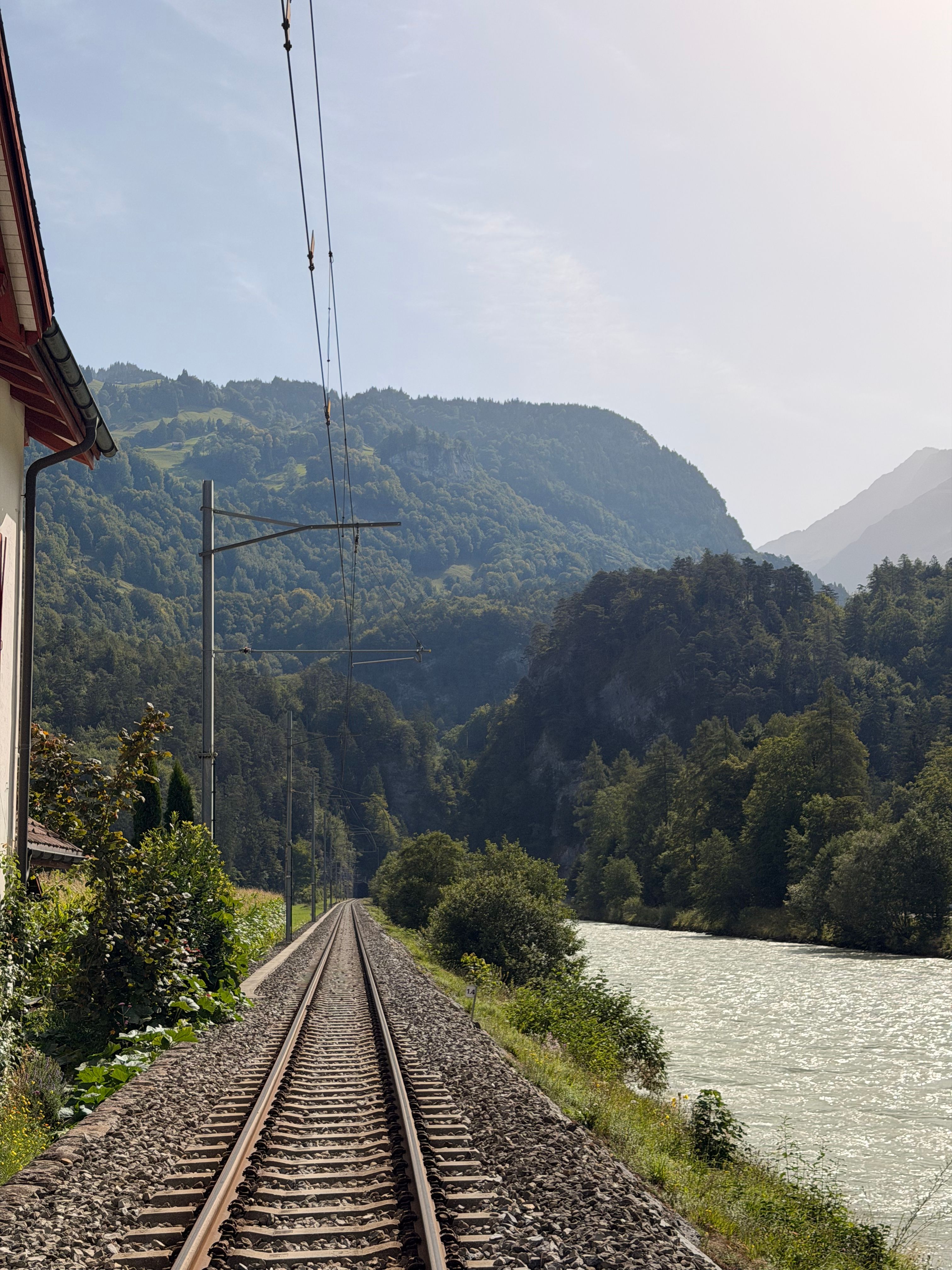
Pannelli solari sui binari: dalla Svizzera arriva il ferrovoltaico
In Svizzera una centrale solare removibile produce energia tra i binari: scopri come funziona il ferrovoltaico, vantaggi, limiti e prospettive.

Business solar: costs, incentives, and ROI in 2026
Complete guide to corporate photovoltaics in 2026: costs per kW, 220% super depreciation, ROI, alternatives without construction.
Is solar worthwhile in 2026? A real analysis (even without a roof)
Is it worthwhile to invest in solar in 2026? Costs, incentives, ROI, and the alternative for those without a roof.