Investing in a solar farm or installing domestic photovoltaic panels?
Let's find out if it's more profitable to invest in a shared solar field or to install a domestic photovoltaic system
Install a photovoltaic system on the roof of the house or participate in a shared solar park are two increasingly common alternatives for those who want to produce energy from renewable sources. Both make it possible to contribute to the energy transition and obtain an economic return, but these are two very different models.
This in-depth analysis clarifies the differences, advantages, disadvantages, and use cases of the two options. A useful guide for those who want to consciously choose where and how to invest in photovoltaic.
Home photovoltaic: energy savings and autonomy
What is a home photovoltaic system
It is a system installed directly on the building (usually on the roof) that produces energy for self-consumption. The goal is to reduce dependence on the national electricity grid, lower bills and, in some cases, resell energy not consumed.
Key benefits
1. Immediate savings on your bill
Once activated, the plant allows the energy produced locally to be consumed, reducing the purchase from the grid. The savings can reach up to 80% on the variable components of the bill.
2. Possibility of accumulation
With integrated batteries, you can store the energy produced during the day and use it in the evening or in low radiation conditions.
3. Tax Incentives
It is currently possible to deduct 50% of the investment over ten years thanks to the personal income tax incentives provided for renovations and energy improvements.
4. Greater energy autonomy
With a well-sized system, it is possible to cover a large part of the annual electricity requirement and reduce exposure to energy increases.
Disadvantages to consider
1. High initial cost
Installing a domestic photovoltaic system, with storage batteries, can cost between 8,000 and 15,000 euros. Incentives reduce economic weight, but initial capital is still significant.
2. Technical and spatial requirements
It is necessary to have a roof with favorable exposure to the sun and without shading. Not all homes (especially in the city or in a condominium) are eligible.
3. Maintenance and management at the expense of the user
The system requires periodic checks, cleaning the panels and verifying that they are working properly. The user must also take care of taking out any insurance.
4. Long time horizon for returning
The return on investment occurs in the medium to long term. On average, it takes 7-10 years to recover the capital spent.
Shared solar park: investing without installing anything
How does an investment in a solar farm work
The shared solar park is a large plant, built by specialized companies, in which several investors buy a share. In exchange, they receive a part of the revenues generated from the sale of the energy produced.
It is a form of investment accessible even to those who do not have a suitable roof or do not want to manage a plant. The purchased share can start from a few hundred euros and is managed through crowdfunding platforms.
The main advantages
1. No physical constraints
There is no need to have a space to install the system. It is an ideal solution for those who live in a condominium or rent, and if they move there, the investment is not lost.
2. Affordable investment
You can start with small amounts of capital, often starting at a few hundred euro. Crowdfunding allows participation in real projects without large outlays.
3. Zero management and maintenance
Ordinary maintenance, technical interventions and the sale of energy are entirely the responsibility of the company that manages the plant.
4. Stable and immediate return
Some projects foresee the start of the distribution of proceeds already in the first months following activation. Expected gross returns vary from 6 to 8% per year, to which can be added tax deductions and deductions if the project is promoted by innovative startups.
Limits and risks
1. Business risk
The investment is linked to the performance of the plant and the stability of the company that manages it. It is essential to verify the promoter's reliability and track record.
2. Long time horizon
Even if revenues start early, the project has a multi-year lifespan (usually 20-25 years). It is not a liquid form of investment.
3. Limited liquidability
Once the share has been purchased, it is not always possible to resell it easily. Some platforms provide secondary markets, but with no guarantees of a quick exit.
4. The bill is not reduced
The energy produced is not consumed at home. Those who invest in a solar park continue to pay for their electricity supply as before.
When is it better to choose one solution or the other
Home photovoltaic: who is it suitable for
- Homeowners with roofs properly exposed to the sun.
- Those who want to lower their bills and improve their energy autonomy.
- Families with high electricity consumption (e.g. electric heating, heat pumps).
- Availability of initial capital and propensity for direct management of the plant.
Shared solar park: the ideal profile
- Those who live in a condominium or rent.
- Those looking for a sustainable investment with economic returns.
- Savers interested in the ecological transition.
- Who does not want to deal with the operational management of a plant.
Concrete examples
In recent years, several projects in Italy have demonstrated the validity of the shared solar park model. Among the best known, the projects developed by GridShare in Lazio and Sicily, which have attracted hundreds of investors thanks to the combination of attractive returns and ease of access.
Also in the agricultural sector, agrivoltaic represents a promising evolution of the model, with solar parks that coexist with agricultural crops, generating both environmental and economic value.
Conclusions
Choosing between a domestic photovoltaic system and a shared solar park depends on many factors: availability of space, capital, savings or investment objectives, propensity for management.
- Those looking for direct savings and energy independence can evaluate the domestic installation, especially if the house is suitable and the budget allows it.
- Those who prefer a simple, accessible and logistically unconstrained investment can find a concrete, sustainable and profitable alternative in shared solar parks.
In both cases, it's about actively contributing to a cleaner energy future, reducing dependence on fossil fuels and promoting a low-emission economy.
Featured posts
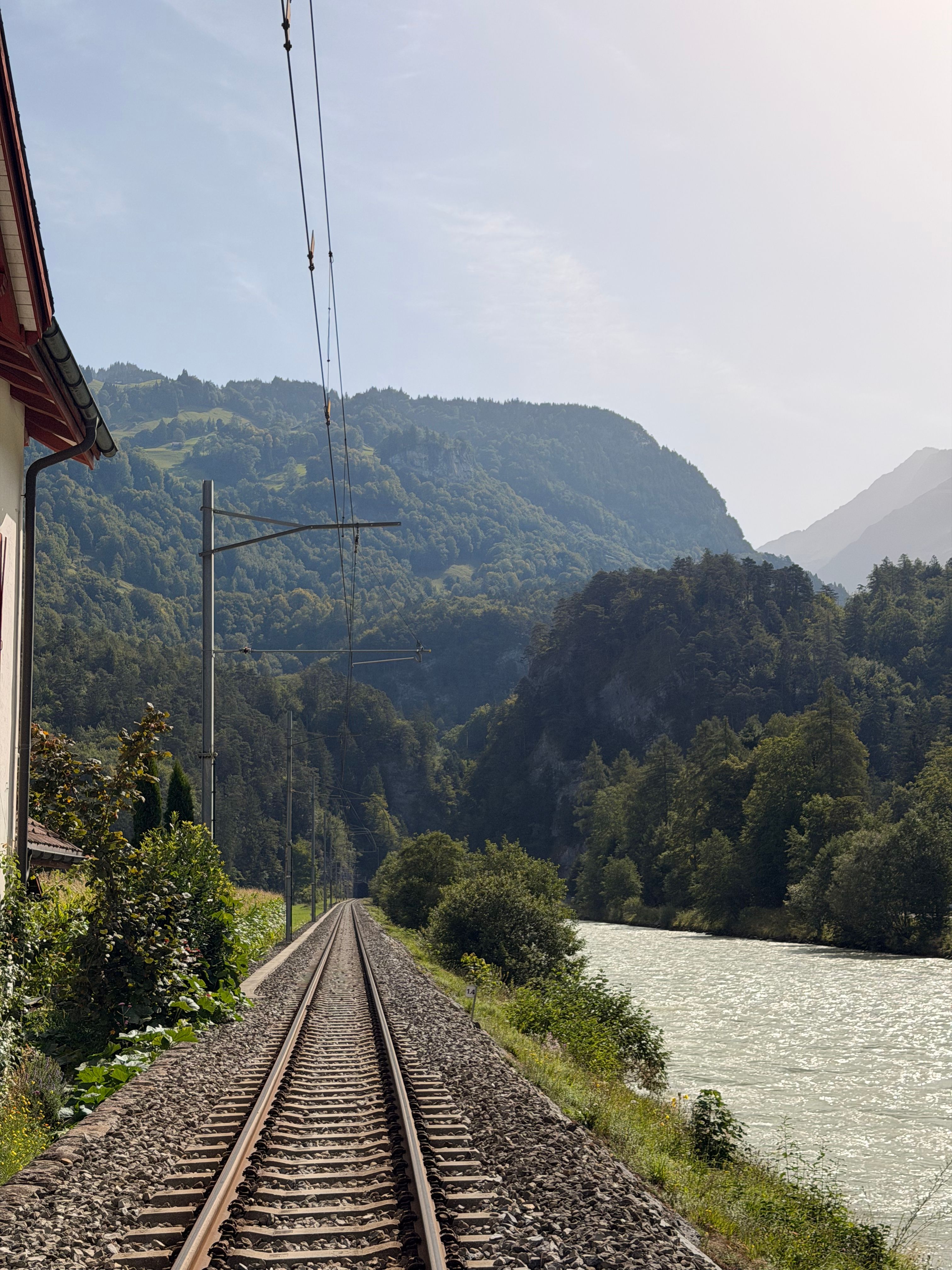
Pannelli solari sui binari: dalla Svizzera arriva il ferrovoltaico
In Svizzera una centrale solare removibile produce energia tra i binari: scopri come funziona il ferrovoltaico, vantaggi, limiti e prospettive.
Business solar: costs, incentives, and ROI in 2026
Complete guide to corporate photovoltaics in 2026: costs per kW, 220% super depreciation, ROI, alternatives without construction.
Is solar worthwhile in 2026? A real analysis (even without a roof)
Is it worthwhile to invest in solar in 2026? Costs, incentives, ROI, and the alternative for those without a roof.