Agrivoltaic: is it really good for agriculture and the territory?
What are the pros and cons of the agrivoltaic model, increasingly used in various photovoltaic projects.
THEAgrivoltaic It is one of the most interesting developments in the solar energy production landscape. Its peculiarity, namely the coexistence between agricultural activity and photovoltaic system on the same site, has aroused enthusiasm but also doubts: can it really support the territory without compromising its agricultural vocation? Can it contribute to the energy transition without generating new land consumption?
To answer, it is necessary to analyze how agrivoltaic systems work, what technologies are adopted and what conditions are needed for the integration between agriculture and energy to be virtuous.
What is agro-voltaic and how does it work
An agrivoltaic plant is designed to allow the production of renewable energy and the exercise of agricultural activity in the same space and at the same time. It is a complex system, in which the organization of photovoltaic modules, crops and support devices is designed not to penalize either activity.
Classic Agrivoltaic
In more traditional systems, the panels are installed on the ground, with sufficient space between the rows to allow cultivation, grazing or the passage of agricultural vehicles. It's a simple solution, but it partially limits the arable area.
Advanced Agrivoltaic
The most recent technologies involve raised modules, supported by structures that leave the ground completely accessible. In these plants:
- Does filtered light favor some crops
- the soil is protected from excessive evaporation
- radiation is managed more efficiently
- Is grazing or the transit of vehicles free
The goal is not only coexistence, but synergy: energy and agriculture must improve each other.
The impact on the territory: land consumption and public perception
One of the most frequent criticisms of agrivoltaic projects concerns the possible impact on agricultural land. However, this risk is often overestimated: Italian legislation provides for precise limits precisely to safeguard the soil.
The minimum restriction of 70% for agricultural activity
The law requires that at least 70% of the land occupied by the plant, it remains available for agriculture or herding. It is a guarantee that avoids the conversion of agricultural land into industrial land and obliges designers to preserve the productive vocation of the area.
The main factors affecting land occupation
- Type of cultivation: each plant has specific space and light needs.
- Panel technology: fixed models on the ground occupy more land, while raised systems reduce the impact.
- Accessibility of the land: the plants must guarantee the passage of agricultural vehicles and equipment.
Careful design makes it possible to keep agricultural productivity high, minimizing the effects on the local ecosystem.
How to best integrate agrivoltaic and agriculture
The success of an agrivoltaic system depends above all on the preliminary planning phase. It is necessary to identify:
- areas with good radiation
- compatible crops
- appropriate technologies
- Access methods for agricultural vehicles
The most compatible crops with agrivoltaic
European and Italian experience shows that some crops benefit from partial shading:
- Small fruits
- salads and leafy vegetables
- aromatic herbs
Conversely, crops that require full sun exposure, such as corn, wheat or certain varieties of fruit, are less suitable.
When the agronomic choice is consistent, agrivoltaic systems can even increase crop yields, protecting them from water stress and excessive temperature.
Agrivoltaic: opportunities and risks
The main advantages
- Efficient land use, without taking land away from agriculture
- Reduction of environmental impact compared to fossil-fuel production
- Possible increase in agricultural productivity in certain crops
- Increased climate resilience, thanks to controlled shading
- Local economic opportunities, linked both to energy production and to the maintenance of agricultural activity
The main risks
- Inadequate design that penalizes crops
- poor compatibility between photovoltaic technology and agricultural practices
- perceived risk of land consumption, even when not actual
These risks, however, can be mitigated through clear regulations and technological innovations, both of which are constantly evolving.
The role of agrivoltaic energy in new energy models
Agrivoltaic isn't just a different way of installing solar panels. It is a strategy that aims to combine three essential objectives:
- clean energy production
- protection of the territory
- valorization of agricultural activities
For this reason, it is also finding space in participatory investment models, such as those involving shared solar parks designed in an agrivoltaic form. In these cases, citizens and small investors can support plants that respect the territory and at the same time contribute to the energy transition.
Operators such as GridShare They are integrating models Agrivoltaic within some shared solar parks, adopting elevated technologies and collaborating with agronomic partners to ensure that agricultural activity remains central. Participation in the plants takes place through regulated platforms, with transparent technical documentation and periodic updates on construction sites.
This approach makes it possible to maintain a balanced relationship between energy production and soil protection, while offering an investment opportunity to those who want to support projects with a real impact on the territory.
Conclusion
Agrivoltaic energy represents one of the most promising solutions for reconciling the production of renewable energy and the continuity of agricultural activity. The key to its success lies in the design, in the choice of crops and in compliance with the constraints imposed by the regulations.
If properly implemented, not only does it not consume soil, but it can help strengthen land resilience, protect crops and create local economic value. Models such as shared agrivoltaic solar parks show how the energy transition can proceed without sacrificing the agricultural identity of the areas involved, also offering new opportunities for citizens and small savers.
Featured posts
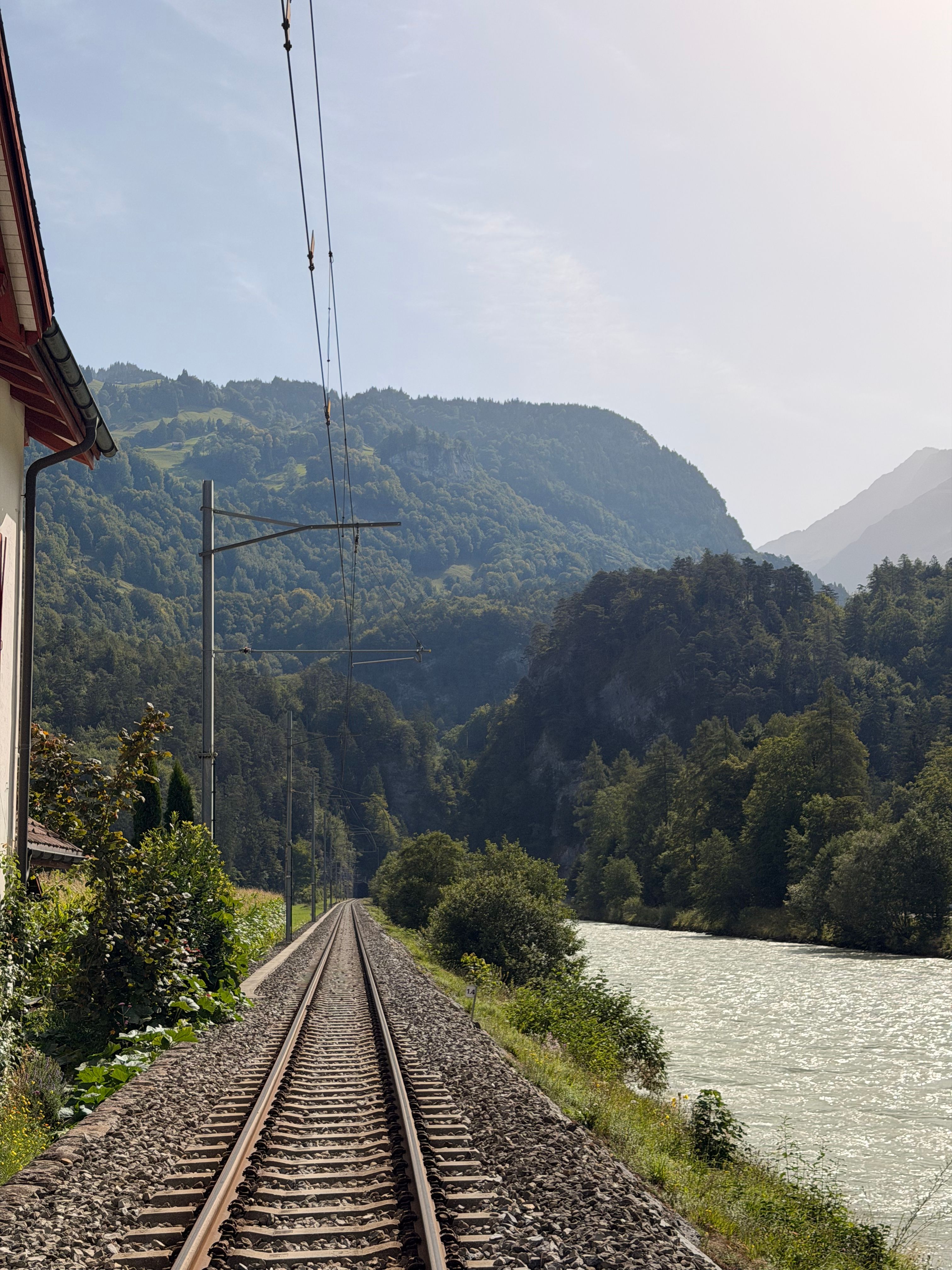
Pannelli solari sui binari: dalla Svizzera arriva il ferrovoltaico
In Svizzera una centrale solare removibile produce energia tra i binari: scopri come funziona il ferrovoltaico, vantaggi, limiti e prospettive.

Business solar: costs, incentives, and ROI in 2026
Complete guide to corporate photovoltaics in 2026: costs per kW, 220% super depreciation, ROI, alternatives without construction.
Is solar worthwhile in 2026? A real analysis (even without a roof)
Is it worthwhile to invest in solar in 2026? Costs, incentives, ROI, and the alternative for those without a roof.