
What is the green economy and why is it important
What is the green economy, definition, key aspects and why is it relevant to GridShare
What is the green economy?
The green economy is an economic model that aims to achieve environmental sustainability, in which in addition to the economic benefits of the production plant, the impact that this has on the environment is also taken into account. The green economy not only promotes environmental well-being, but also that of society and therefore of individuals through the growth of income and the employment rate.
The objective of the green economy is to reduce the negative environmental impact of economic activities and promote the sustainable use of natural resources by counteracting the potential damage caused by the entire transformation cycle of raw materials, from extraction to disposal or recycling. In essence, it promotes reduction of carbon emissions encouraging sustainability, and guarantees the availability of natural resources that fuel products and services necessary for our well-being. Why is the green economy important? The production system does not only cause damage to the environment, but also to the economic activities themselves; according to the principle of negative feedback the environmental damage produced by economic activities, decreases the profitability of those that profit from the environment, such as fishing, agriculture, public health, tourism and the reconstruction of natural disasters. Let's think, for example, of those areas where deforestation has led to the birth of landslides and natural disasters, totally frustrating the profits deriving from the construction of buildings.
What are the objectives of the green economy?
Social well-being. The green economy promotes the creation of new jobs (called green jobs) and consequently the better distribution of income and the elimination of poverty. Furthermore, by encouraging the sustainability of economic activities, it also indirectly promotes the physical well-being of people, reducing the environmental damage to which they are exposed.
Environmental well-being. The green economy aims to combat the release of carbon emissions, environmental degradation, the depletion of energy resources and global warming so that nature and economic activities can coexist in a more sustainable way.
Key aspects of the green economy
Renewable energy: the green economy is based on the use of renewable energy sources such as solar, wind, hydroelectric and geothermal energy that produce clean energy and reduce dependence on fossil fuels and the emissions that their use generates.
Energy efficiency: the green economy is based on the efficient use of resources, adopting new technologies, reducing waste and promoting the optimization of production processes in order to use less resources and obtain better results.
Waste management: a key aspect of the green economy is the recycling and disposal of solid waste, essential for the conservation of natural resources and the reduction of accumulation in landfills. Sustainable mobility: the green economy promotes the use of public transport, electric vehicles and bicycles in order to reduce the amount of CO2 emissions.
Sustainable agriculture: green energy promotes sustainable agricultural techniques such as organic agriculture, soil conservation and responsible water management in order to safeguard the health of the environment and its profitability. In conclusion, the green economy is an economic model that is beneficial both for the planet, since it promotes the reduction of pollution and the conservation of raw materials, and for ourselves, because it creates better living conditions for our health, but also opportunities for employment and investment.
Gridshare With Gridshare, you promote environmental sustainability by choosing a renewable and clean energy source. By buying a Gridshare share, you will finance the construction of a solar farm that will provide you with clean energy for 30 years and you will save at least 25% on the cost of your bill. Take part in the change: find out how it works.
Featured posts
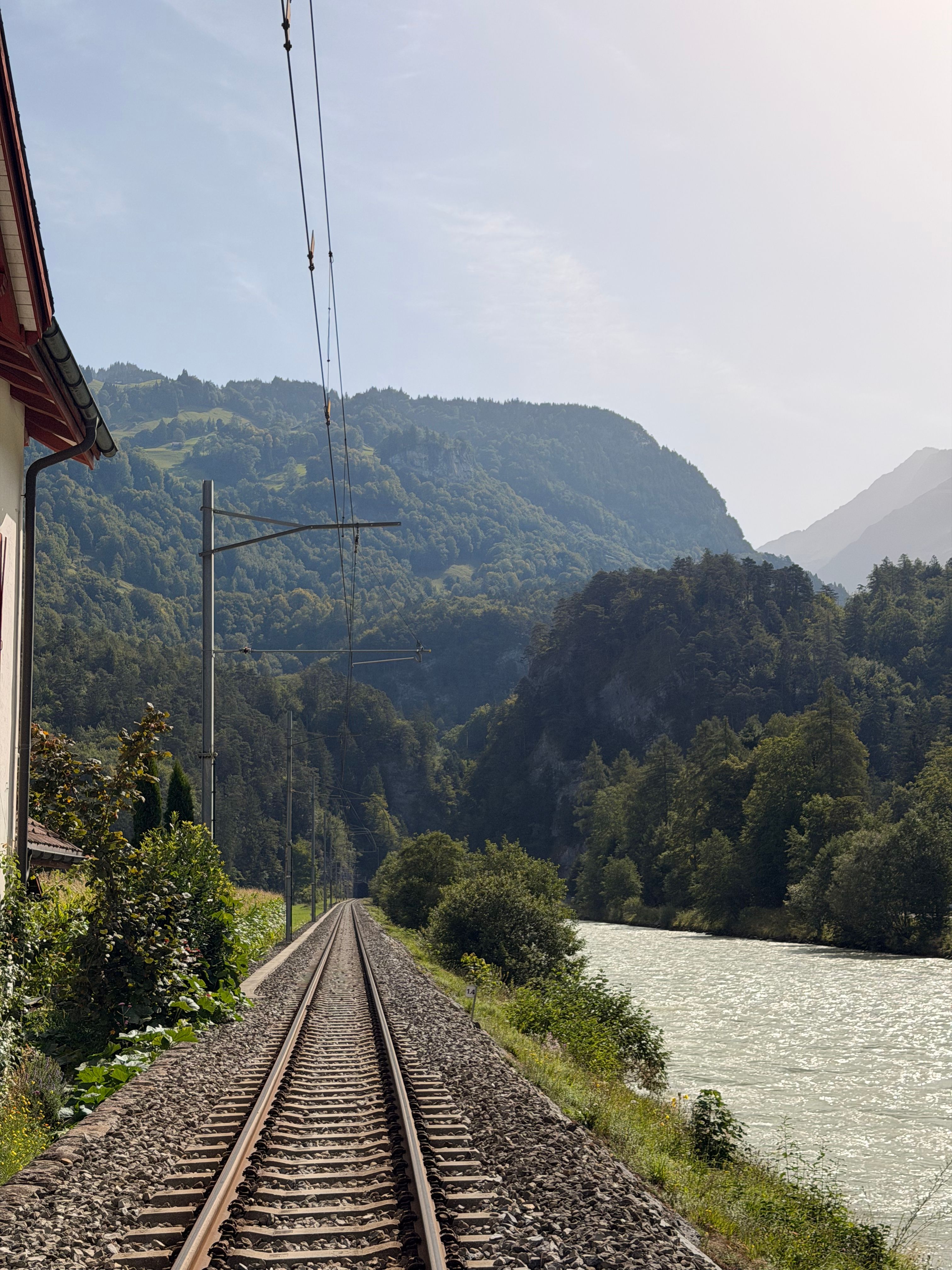
Pannelli solari sui binari: dalla Svizzera arriva il ferrovoltaico
In Svizzera una centrale solare removibile produce energia tra i binari: scopri come funziona il ferrovoltaico, vantaggi, limiti e prospettive.
Business solar: costs, incentives, and ROI in 2026
Complete guide to corporate photovoltaics in 2026: costs per kW, 220% super depreciation, ROI, alternatives without construction.
Is solar worthwhile in 2026? A real analysis (even without a roof)
Is it worthwhile to invest in solar in 2026? Costs, incentives, ROI, and the alternative for those without a roof.