
Roofless solar panels? Discover the advantages of shared photovoltaic for those who live in apartments
Can you have the advantages of photovoltaic without installing it on the roof? Yes, find out how in this article on shared photovoltaic
Have you thought about installing a photovoltaic system for your home? Great idea: it reduces bill costs and helps the environment. But between permits, structural constraints and initial costs, it's not always possible to actually do it.
Maybe you live in an apartment building, or you don't have a space properly exposed to the sun. Or maybe, more simply, you don't want (or can't) support the investment necessary to buy panels, inverters and batteries.
The good news is that today it is no longer necessary to give up photovoltaic. There is a concrete, accessible and “turnkey” solution: it's called shared photovoltaic, and it is also a sustainable and innovative form of investment. An example? The projects carried out by GridShare, which allow anyone to participate in a solar park, even with a minimum investment of 500 euros.
What is shared photovoltaic?
Shared photovoltaic allows you to access the benefits of solar energy without having to physically install a system. In practice, you buy Share of a solar park — usually under construction or already operational — that produce energy and generate revenues, redistributed proportionately among investors.
The sponsoring company manages the entire operation (construction, maintenance, connection to the network, tax management), as in the case of GridShare. The user, after purchasing one or more shares, does not have to worry about anything: no space, permissions or red tape are needed. But it still receives the benefits, both economic and environmental.
The advantages: clean energy, safe investment
The shared solar park model offers concrete advantages compared to a domestic system:
- No structural constraints: perfect for those who live in a condominium or do not have a suitable roof.
- Zero installation and management costs: the company takes care of everything.
- Latest generation technology: high efficiency panels, solar tracking systems and optimized production.
- Remote access: it is not necessary to live near the plant.
- Attractive returns: in some GridShare projects there is talk of an annual return of more than 9%.
- Tax benefits: innovative startups offer a 30% personal income tax deduction on the part of the investment destined to increase capital.
Unlike classic domestic photovoltaic, where return times can be extended even for 10-12 years, with shared photovoltaic, returns can start immediately (especially if the plant is already operational) and are often more stable thanks to incentive rates.
The 'virtual' solar park
Participating in a shared photovoltaic project is like owning a 'virtual plant', but with the same efficiency as a physical system. The projects are built with high-level materials and technologies: next-generation panels, intelligent inverters and advanced monitoring systems.
The benefit? Much lower entry costs than a residential facility and no technical or operational risks. And thanks to digital monitoring, every investor can control production, performance and CO₂ savings in real time, from a dedicated portal.
Why choose shared photovoltaic today
In a context where energy costs more and more and ecological transition is a priority, shared photovoltaic represents a smart solution:
- For those who want to reduce their environmental impact;
- For those looking for a concrete investment, linked to a real asset;
- For those who have no space or installation options;
- For those who want to participate in a collective, sustainable and transparent project.
And thanks to platforms like CrowdFundMe, investing is simple, completely online, and accessible even with small amounts.
In summary
Don't you have a roof? It's not a problem. The shared photovoltaic allows you to enter the world of solar energy without installing panels, facing red tape or incurring high expenses. It is a 'turnkey' solution, which combines savings, sustainability and performance.
Choose projects like those of GridShare means participating in the country's energy innovation, with an eye to the future — and also to the portfolio.
FAQ (Frequently Asked Questions)
Can I have photovoltaic if I live in a condominium?
Yes, but it's not always easy. We need the approval of the condominium meeting and the use of common areas, such as the roof.
How does photovoltaic work in apartment buildings?
It must be installed on common parts and approved with at least 50% of the thousandths. Expenses and benefits are distributed according to what was decided at the meeting.
Can I install a system only for my condominium apartment?
Yes, if you use an exclusive part (such as a private terrace). In that case, the permission of the assembly is not mandatory, but it is necessary to respect the aesthetics and safety of the building.
Are there photovoltaic solutions without permits?
Yes: mini balcony systems, which you can install without permissions. However, the yield is much lower than a classic plant or a shared park.
Featured posts
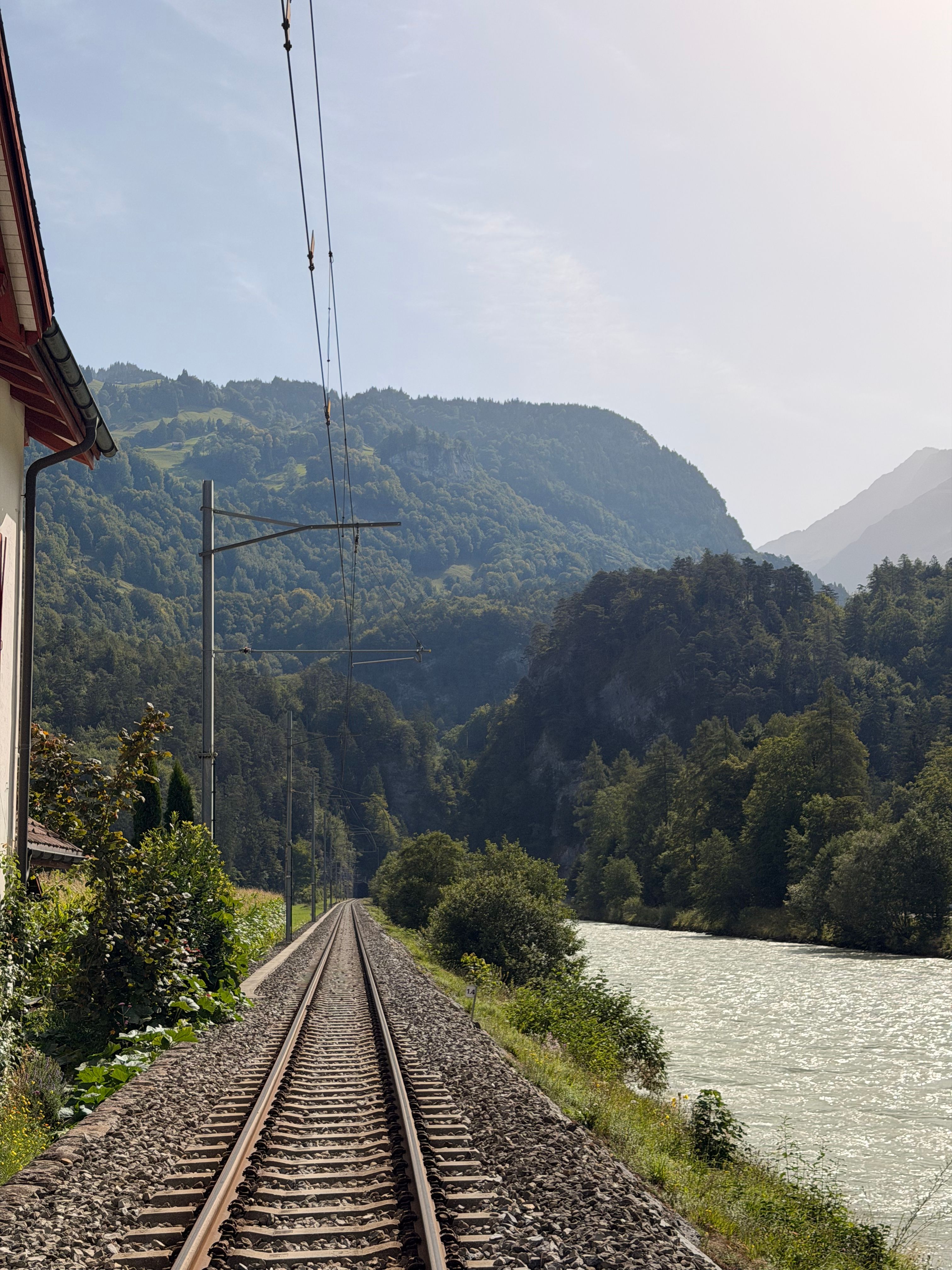
Pannelli solari sui binari: dalla Svizzera arriva il ferrovoltaico
In Svizzera una centrale solare removibile produce energia tra i binari: scopri come funziona il ferrovoltaico, vantaggi, limiti e prospettive.

Business solar: costs, incentives, and ROI in 2026
Complete guide to corporate photovoltaics in 2026: costs per kW, 220% super depreciation, ROI, alternatives without construction.
Is solar worthwhile in 2026? A real analysis (even without a roof)
Is it worthwhile to invest in solar in 2026? Costs, incentives, ROI, and the alternative for those without a roof.