Shared photovoltaic: what possibilities are there today?
What are the different shared photovoltaic solutions and how they work: a brief guide to find your way around
In recent years, the topic of renewable energy has become increasingly central, even in Italy. With rising energy costs and increasing environmental sensitivity, many people are wondering: How can I participate in the energy transition, even if I can't install a system on my roof?
The answer may be the shared photovoltaic: a model that allows you to access the benefits of solar energy even in the absence of space, technical resources or high capital. And thanks to platforms like GridShare, today this solution is simpler, more accessible and transparent than ever.
What is shared photovoltaic?
The principle behind shared photovoltaic is simple: more people participate in construction or management of a common solar system, sharing the costs and benefits associated with the production of electricity. It is a formula created to overcome the limits of traditional photovoltaic, often inaccessible to those who live in a condominium or do not have the capital for an autonomous system.
Over the years, several models have been developed:
- Condominium photovoltaic systems, installed on the common parts of a building;
- Renewable Energy Communities (CERs), groups of citizens or businesses that produce and share local energy;
- Shared solar parks, often financed through crowdfunding, which allow access to solar energy even remotely.
Photovoltaic in a condominium: advantages and limitations
One of the first applications of shared photovoltaic in Italy was that condominium. In this case, the residents decide together to install a system on the roof of the building and to share costs and benefits.
Advantages:
- Clean energy produced on site;
- Savings on condominium expenses;
- Possible self-consumption for housing units.
Limits:
- Serve Approval of the meeting condominium (qualified majority);
- Not all roofs are suitable (exposure, space, structure);
- Complex collective management (maintenance, insurance, benefit sharing).
Energy Communities: a step forward, but with territorial constraints
A natural evolution is represented by Renewable Energy Communities (CER), also officially recognized at the regulatory level. They bring together citizens, businesses and public bodies that collaborate in the production and consumption of solar energy, even if they do not share the same building.
Operation:
- A group of people co-finance a plant on a roof, a plot of land or a shed;
- The energy produced is used by the participants or sold to the network;
- Participants must be Physically close to the plant (same distribution booth).
Advantages:
- Local and clean energy production;
- Economic and fiscal incentives provided for by national legislation;
- Greater energy independence.
Critical issues:
- Geographic constraint (you cannot participate if you live far away);
- Bureaucracy, design, maintenance and collective management;
- It requires a solid organizational structure and time to dedicate.
GridShare: the simplified and national version of shared photovoltaic
To overcome the limits of bureaucracy, distance and management, a new model has been created: the turnkey shared photovoltaic system promoted by GridShare, our innovative startup that democratizes access to solar energy through crowdfunding.
How it works:
- GridShare builds or acquires solar parks in strategic places (e.g. Sicily or Lazio);
- Users can buy Plant quotas starting from 500 euros;
- The energy produced is sold to the network, generating returns distributed among shareholders;
- All the GridShare is responsible for technical and bureaucratic management: the investor receives the benefits without having to worry about anything.
The advantages of the GridShare model:
✅ Zero geographical constraints: you can live anywhere, you don't need to be close to the solar park;
✅ Affordable accessibility: invest even with reduced capital;
✅ Advanced Technology: parks use high-efficiency panels and solar tracking;
✅ Real sustainability: the land chosen is in abandoned or non-buildable areas;
✅ Environmental and social impact: it contributes to the country's energy transition.
Conclusion: shared energy, guaranteed performance
The shared photovoltaic is a concrete answer to the practical and economic difficulties of domestic solar energy. However, the more traditional forms (condominium or community) still involve bureaucratic obstacles, geographical constraints and organizational complexities.
With GridShare, all this is being overcome. The model is clear, scalable and suitable even for those who do not have time, skills or space. You buy real plant shares, benefit from solar energy without installing anything, and Earnings from a sustainable and transparent project.
Featured posts
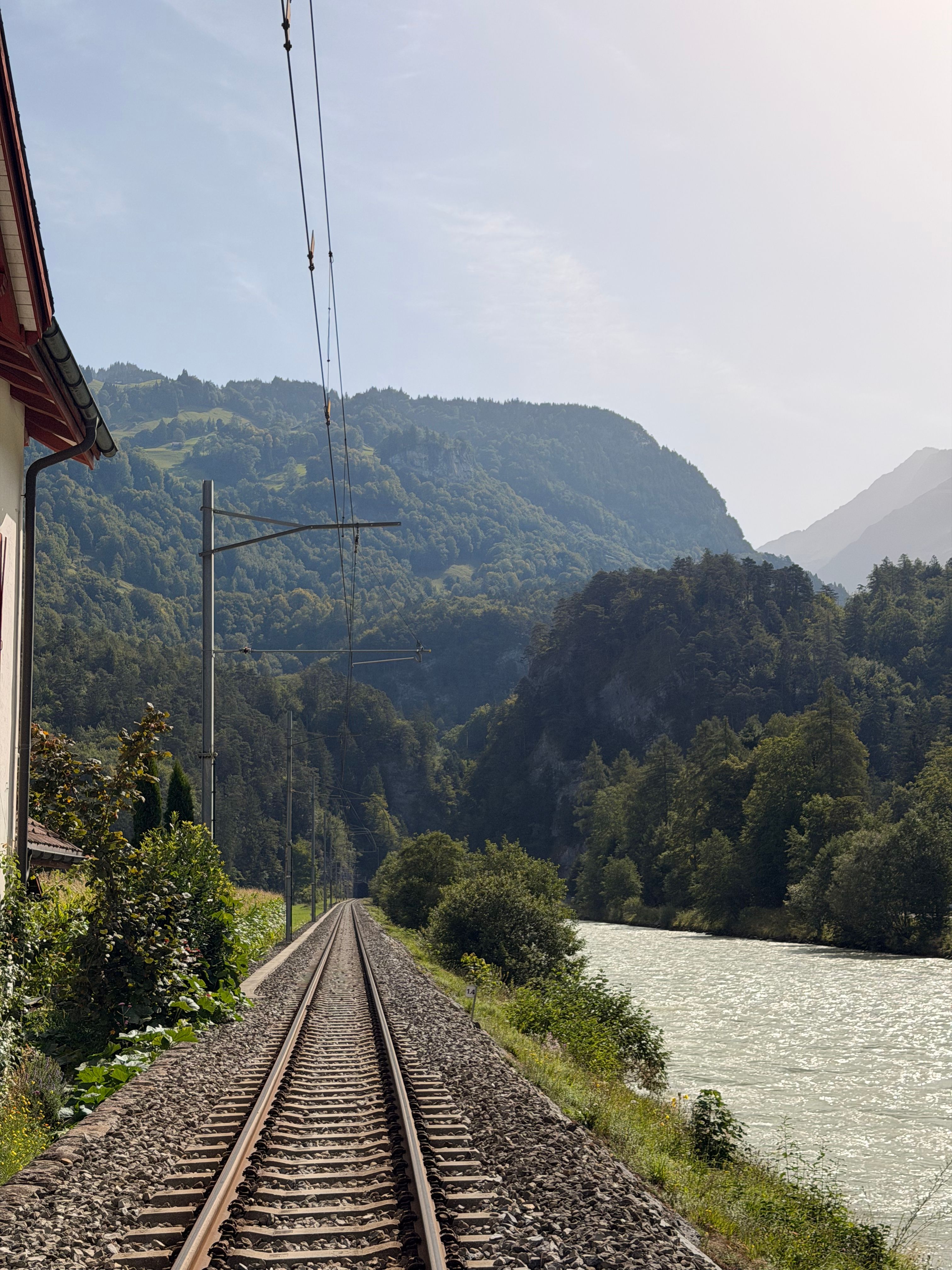
Pannelli solari sui binari: dalla Svizzera arriva il ferrovoltaico
In Svizzera una centrale solare removibile produce energia tra i binari: scopri come funziona il ferrovoltaico, vantaggi, limiti e prospettive.
Business solar: costs, incentives, and ROI in 2026
Complete guide to corporate photovoltaics in 2026: costs per kW, 220% super depreciation, ROI, alternatives without construction.
Is solar worthwhile in 2026? A real analysis (even without a roof)
Is it worthwhile to invest in solar in 2026? Costs, incentives, ROI, and the alternative for those without a roof.